3notizen@rhizome.hfbk.net's Public Feed: 3 Notizen zu: Oscar Murillo, &...
[esc]
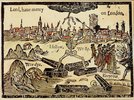
The pandemic provoked by the Covid-19 is a calamity that brings troubling questions about the passage of the human species on Earth. Even in the corporate media it has been said that the world will no longer be the same after the pandemic. On one hand, there is speculation about the emergence of a dystopian authoritarian world where life takes place in closed environments and human relations are reduced to online interaction monitored by the state / capital’s Big-Brother. On the other hand, it is stated, in a more hopeful way, that the crisis caused by the virus will make an anti-capitalist revolution without people once it reveals the contradiction and the perversion of the system. Following the futurological speculative debate on the media, Giorgio Agamben argues about the risk of the state of exception becoming the norm, while Slavoj Žižek reflects on the emergence of a humanist communism. In this same imaginative but more raw way of thinking, Byung-Chul Han states that China’s “success” in containing the virus will inspire the West to adopt forms of digital control similar to the ones the Communist Party of China has implemented. There is nothing really new on these speculations. The point is that while pop philosophers speculate about the future, life has been extinguished.
What everyone knows so far is that the lethality of the coronavirus makes it clear not only that neoliberal democracies are unprepared to deal with humanitarian crises, but also that there is an acute incompatibility between life and capitalism. In the past forty years, this system, especially in its neoliberal version, has intensively operated based on the assumption that one’s life is more worth than another. When analyzing neoliberalism, it is possible to go back in time and compare some of its main characteristics, especially competition and merit, with racist theories such as Herbert Spencer’s social Darwinism. According to Social Daewinism, social life naturally makes the strongest occupy a prominent place in society. Thus, the richest, so to speak, are the ones who survived and adapted, established themselves, in a model of life that is based on competition. The successful rich deserves by its own merit to take its place in society while those who are poor are poor because they were not able to triumph. When this theory is brought into the context of neoliberal social life, a highly competitive reality, even the death of people is naturalized. When a person fails, its failure is seen as its inability to adapt and to be useful to the system. It explains that those who have no practical value to the neoliberal system can be discarded. This logic of discarding “useless life” over “useful life” is, then, informed by idea that an individual must be productive for the functionality of the system. Therefore, it is no surprise that in the first weeks of the pandemic in the West Donald Trump, Boris Johnson and Jair Bolsonaro, main representatives of the far-right politics today, minimized the effects of the virus and adopted the idea of “vertical isolation”. An idea that claims for the isolation of the most fragile people to the virus, elderly people and persons with chronic diseases, while the most resistant ones, the youngest and most prone to work, continue to live and work “normally” maintaining the capital machine working.
















 Graduate Show 2025: Don't stop me now
 Long days, lots to do
 Cine*Ami*es
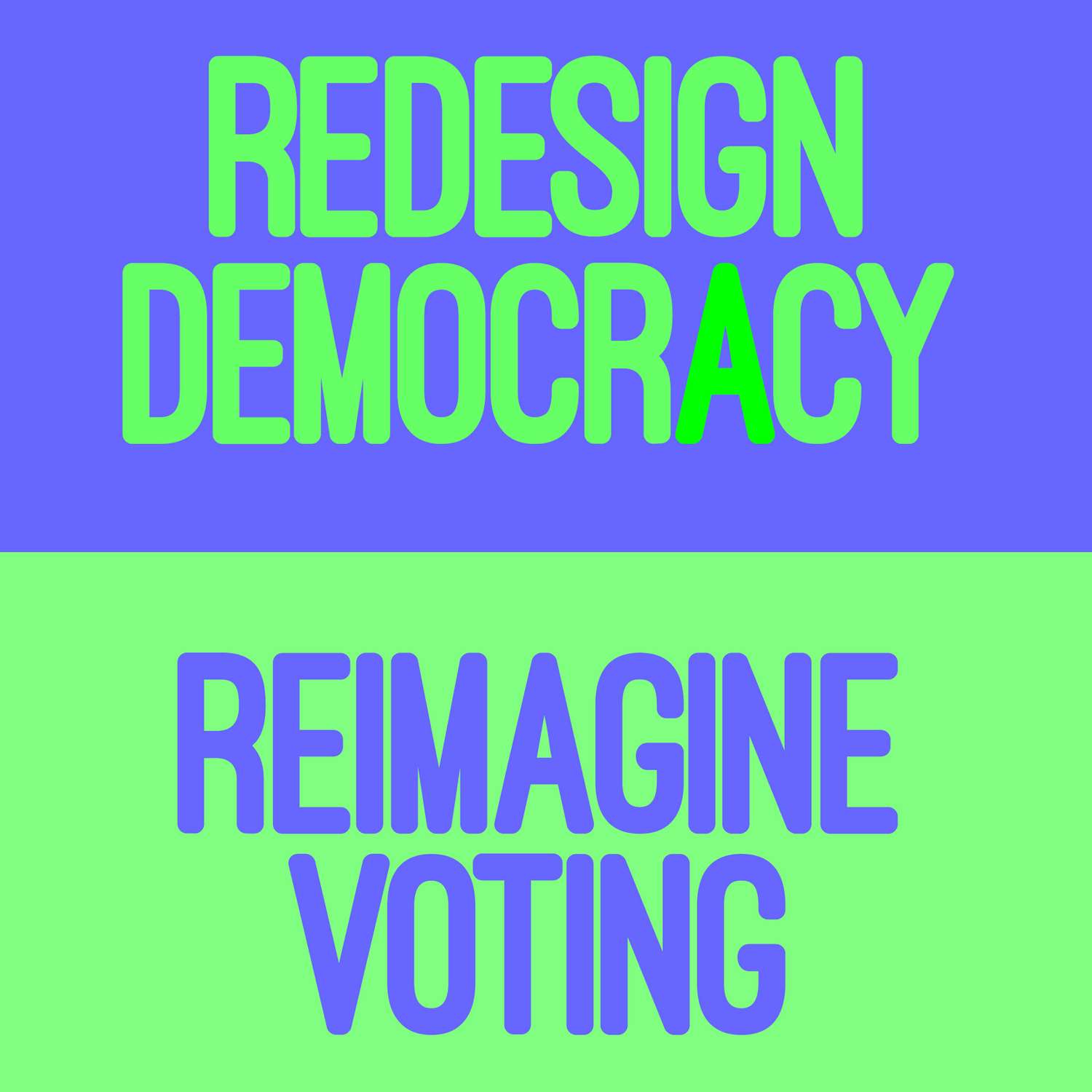
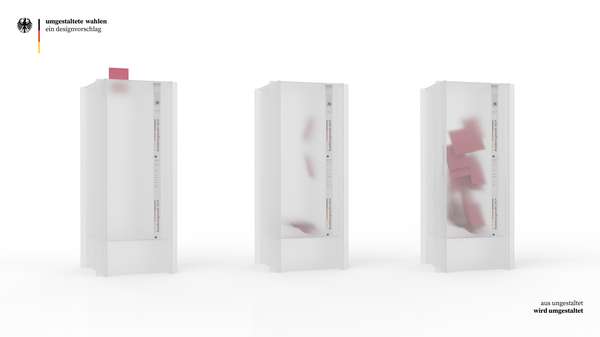
 Redesign Democracy – competition for the ballot box of the democratic future
 Art in public space
 How to apply: study at HFBK Hamburg
 Annual Exhibition 2025 at the HFBK Hamburg
 The Elephant in The Room – Sculpture today
 Hiscox Art Prize 2024
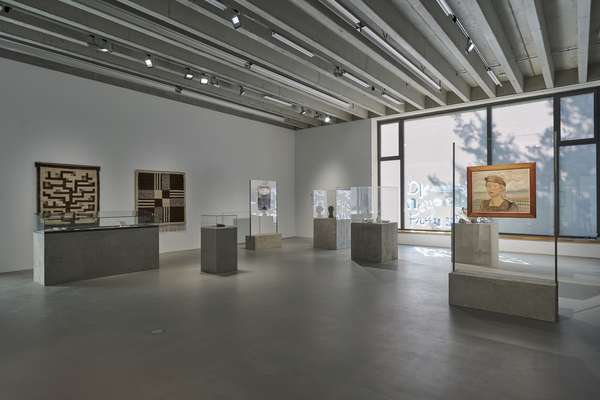
 The New Woman
 Doing a PhD at the HFBK Hamburg
 Graduate Show 2024 - Letting Go
 Finkenwerder Art Prize 2024
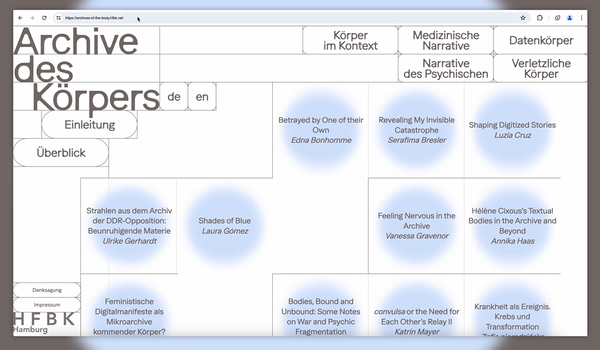
 Archives of the Body - The Body in Archiving
 New partnership with the School of Arts at the University of Haifa
 Annual Exhibition 2024 at the HFBK Hamburg
 (Ex)Changes of / in Art
 Extended Libraries
 And Still I Rise
 Let's talk about language
 Graduate Show 2023: Unfinished Business
 Let`s work together
 Annual Exhibition 2023 at HFBK Hamburg
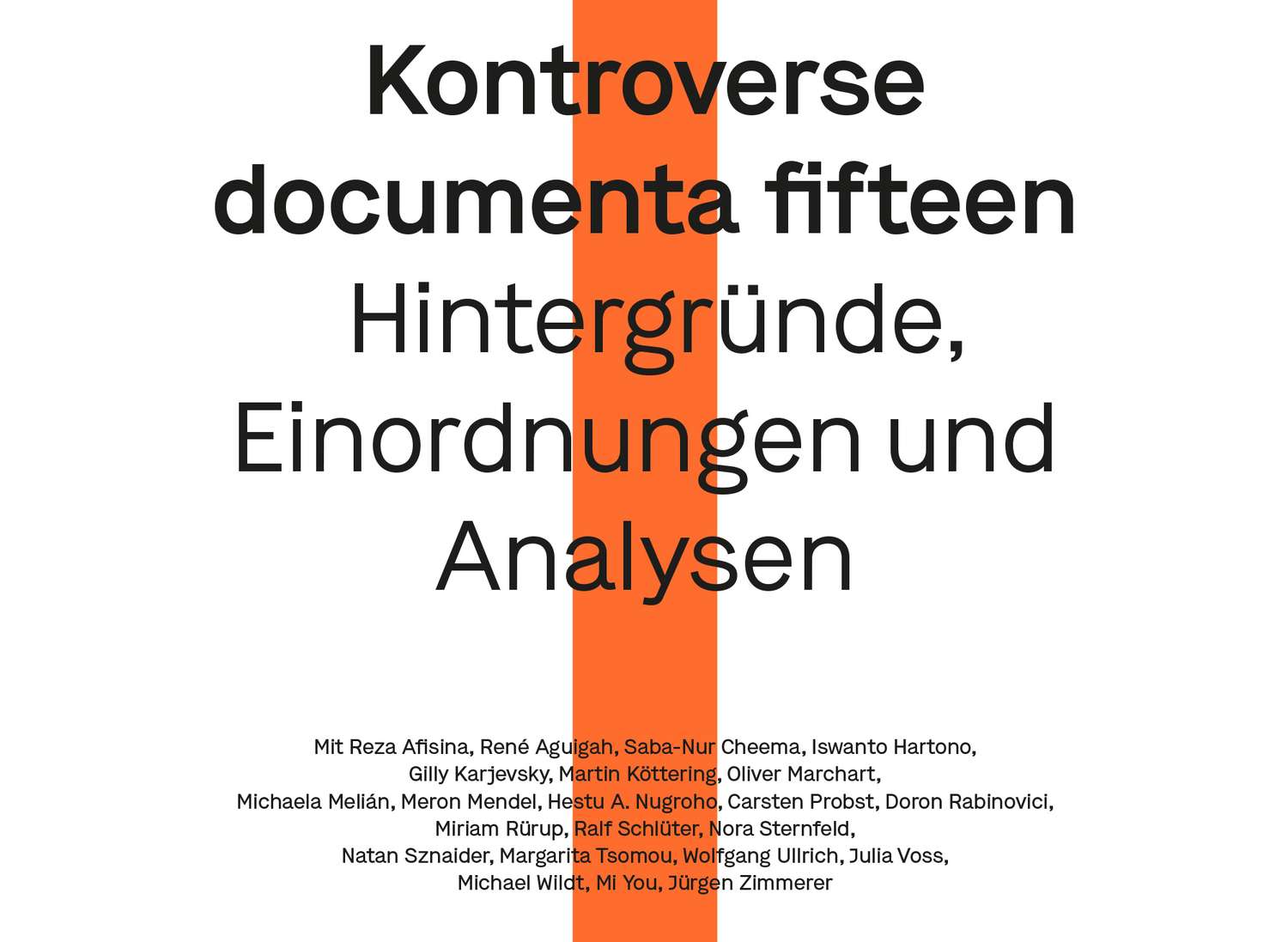
 Symposium: Controversy over documenta fifteen
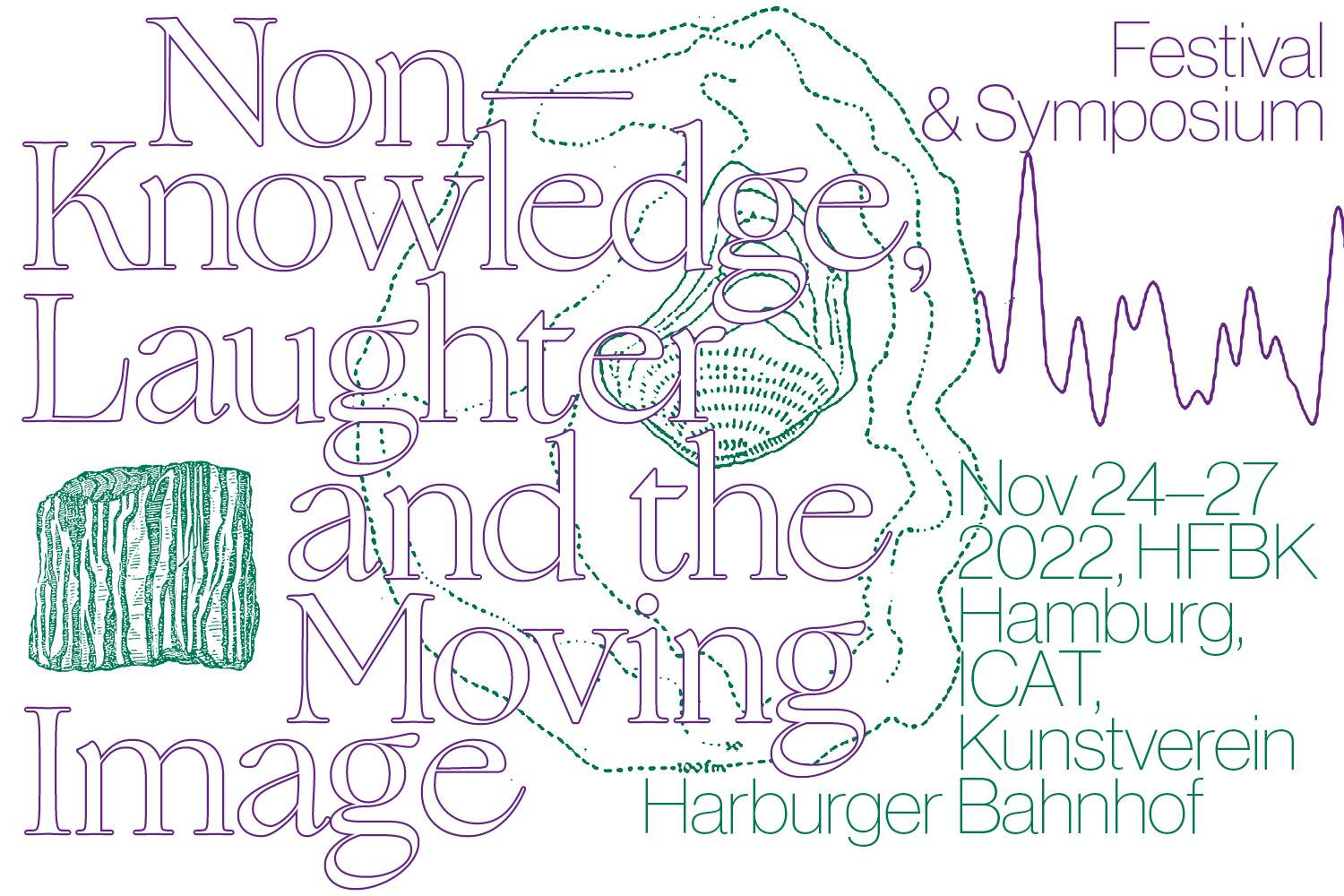
 Festival and Symposium: Non-Knowledge, Laughter and the Moving Image
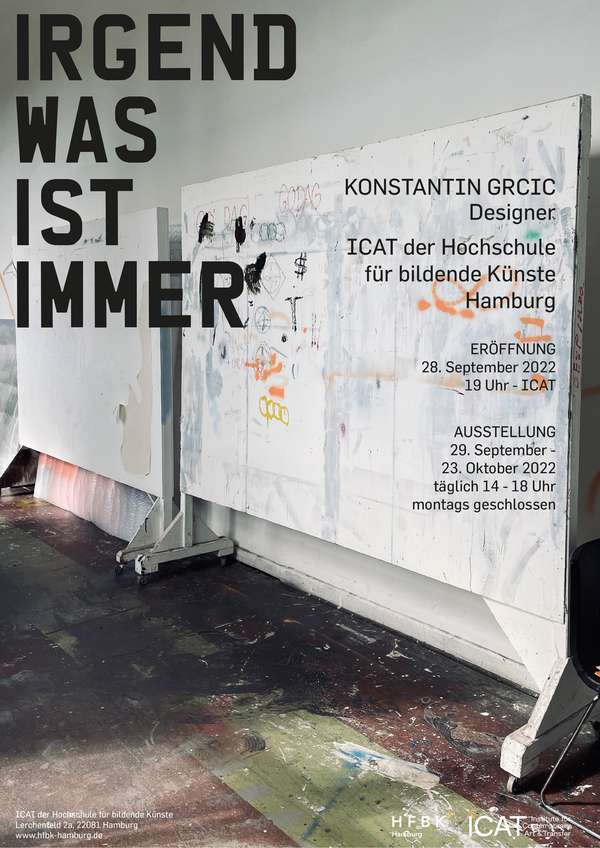
 Solo exhibition by Konstantin Grcic
 Art and war
 Graduate Show 2022: We’ve Only Just Begun
 June is full of art and theory
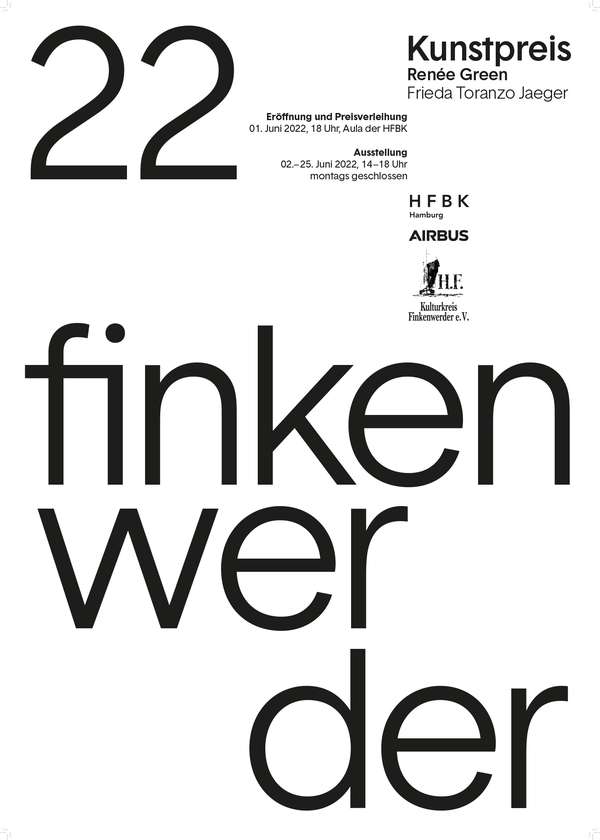
 Finkenwerder Art Prize 2022
 Nachhaltigkeit im Kontext von Kunst und Kunsthochschule
 Raum für die Kunst
 Annual Exhibition 2022 at the HFBK
 Conference: Counter-Monuments and Para-Monuments.
 Diversity
 Live und in Farbe: die ASA Open Studios im Juni 2021
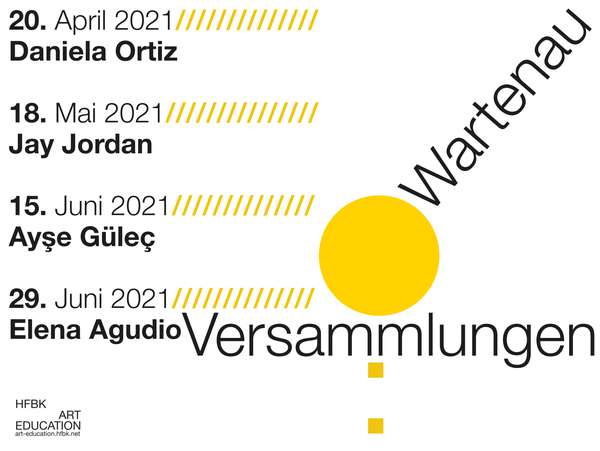
 Unlearning: Wartenau Assemblies
 School of No Consequences
 Annual Exhibition 2021 at the HFBK
 Semestereröffnung und Hiscox-Preisverleihung 2020
 Teaching Art Online at the HFBK
 HFBK Graduate Survey
 How political is Social Design?