Erasmus+ Programme
Erasmus+ is the EU Programme in the fields of education, training, youth and sport. The Erasmus+ Programme is designed to support Programme Countries' efforts to efficiently use the potential of Europe’s talent and social assets in a lifelong learning perspective, linking support to formal, non-formal and informal learning throughout the education, training and youth fields. Further information on the Erasmus+ Programme can be found on the EU Commission’s website.
The programme supports especially the mobility within Europe and, since 2015, also with other parts of the world. Until 2020, more than two million students shall benefit from Erasmus+ funding, including more than 250,000 students from Germany. Students from all study cycles can participate, either studying abroad or doing an internship abroad. Unlike in the past, students can be supported for 12 months during their Bachelor’s, Master’s, and PhD, respectively. Internships abroad can also take place after graduation. The support of teaching and learning mobility of university staff further contributes to the internationalisation of higher education institutions.
Under the umbrella of Erasmus+, the following mobility actions are supported:
- Student mobility for studies
- Student mobility for internships (work placements)
- Staff mobility for teaching
- Staff mobility for training
Every higher education institution participating in the Erasmus+ programme has to possess a valid Erasmus Charter for Higher Education (ECHE). The ECHE proves that a higher education institution complies with all requirements for successful participation in the Erasmus+ programme.
Further information on all Erasmus+ mobility actions are provided by the
German Academic Exchange Service
National Agency for Higher Education
Phone: +49 (0)800 2014 020
Email: erasmus@daad.de
www.eu.daad.de
This project has been funded by the European Commission. Responsibility for the content of this publication belongs solely to the author; the Commission is not liable for further use of the information contained therein.
















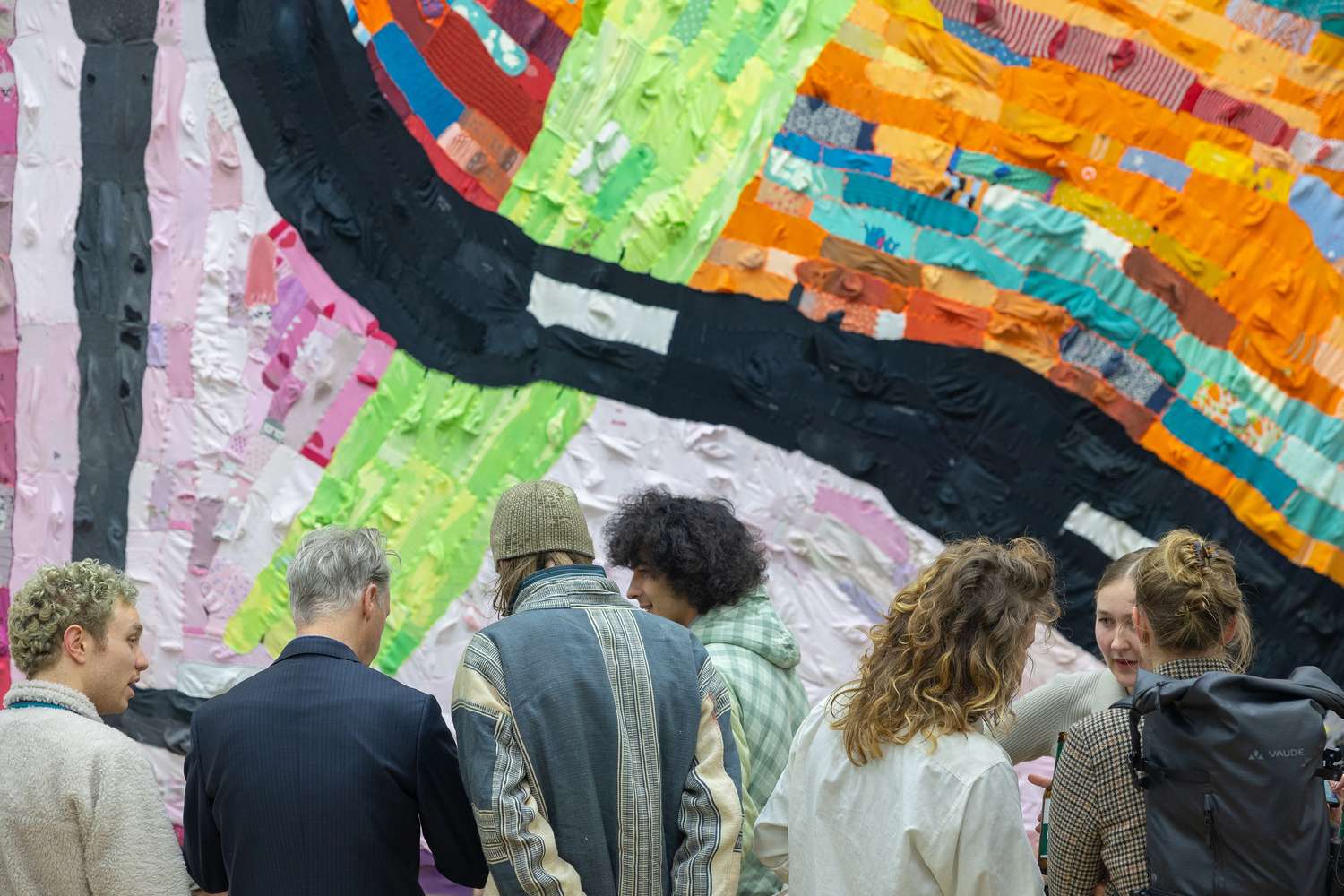
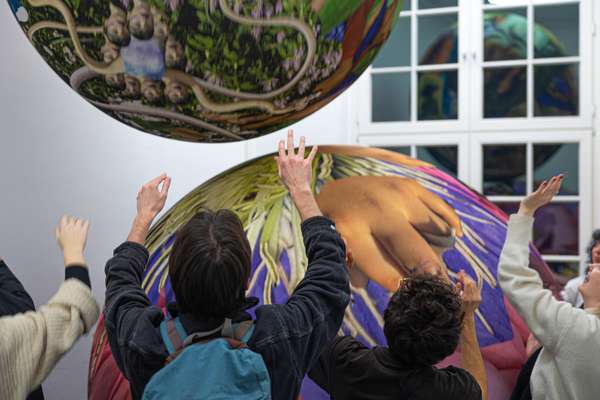
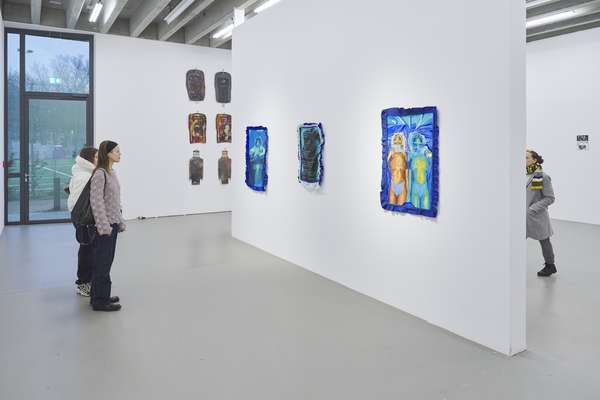


















 Graduate Show 2025: Don't stop me now
 Long days, lots to do
 Cine*Ami*es
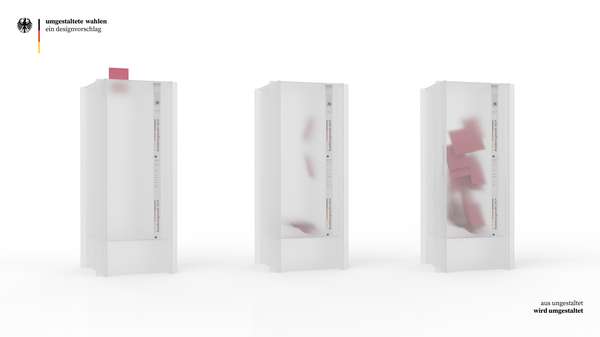
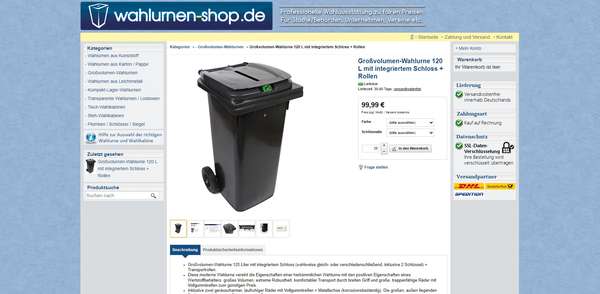
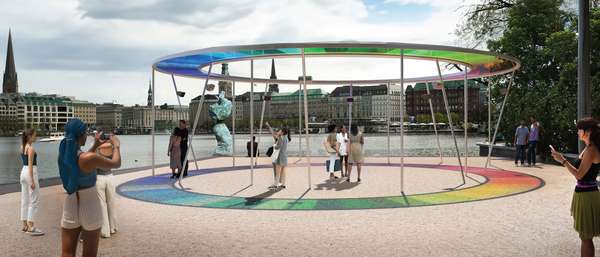
 Redesign Democracy – competition for the ballot box of the democratic future
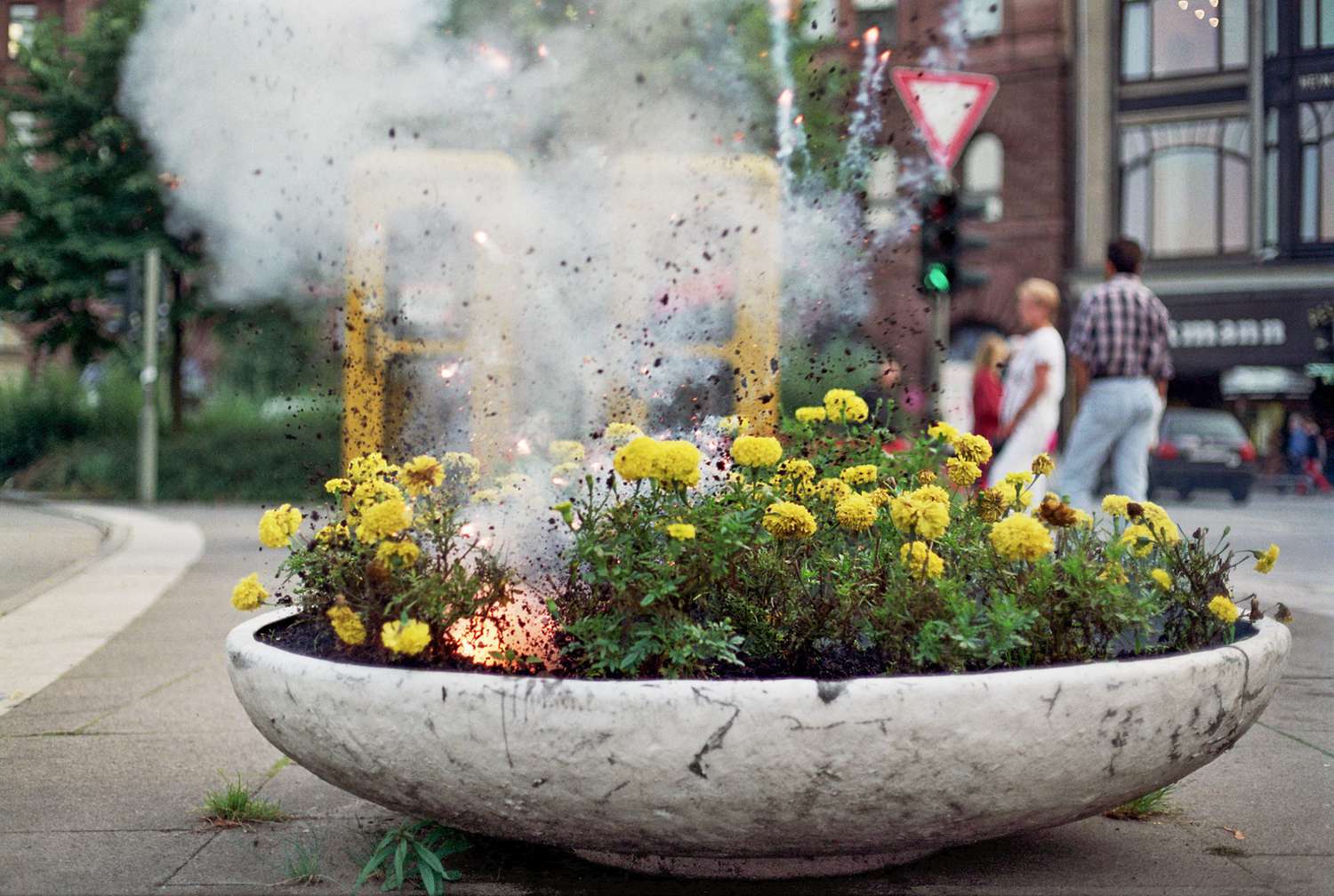
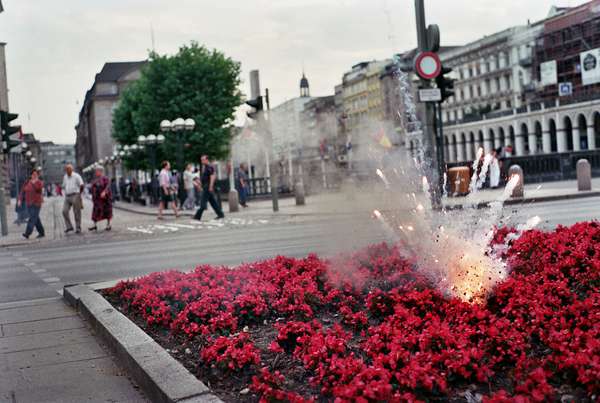
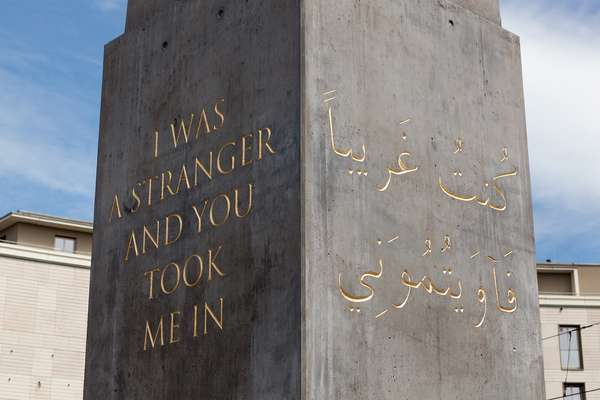
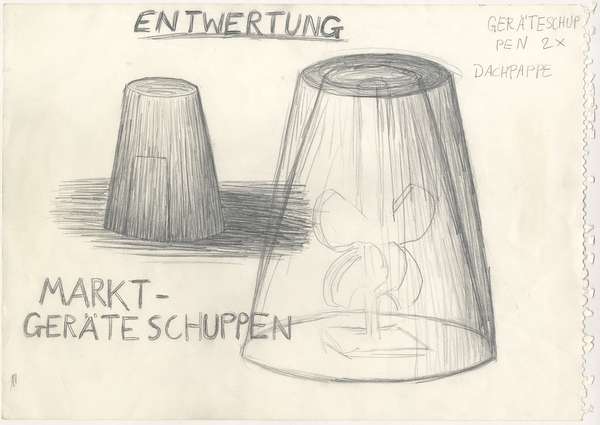
 Art in public space
 How to apply: study at HFBK Hamburg
 Annual Exhibition 2025 at the HFBK Hamburg
 The Elephant in The Room – Sculpture today
 Hiscox Art Prize 2024
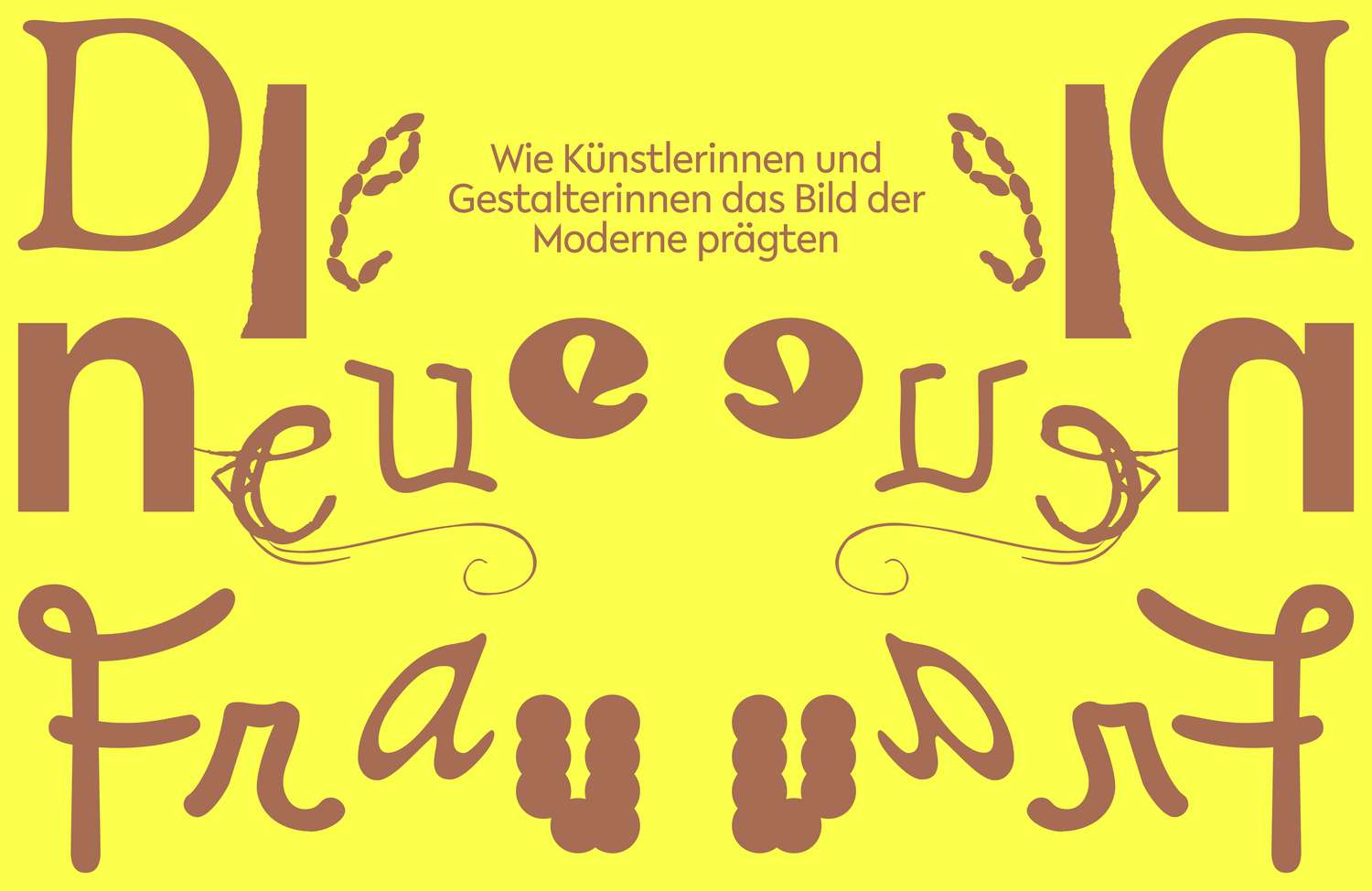
 The New Woman
 Doing a PhD at the HFBK Hamburg
 Graduate Show 2024 - Letting Go
 Finkenwerder Art Prize 2024
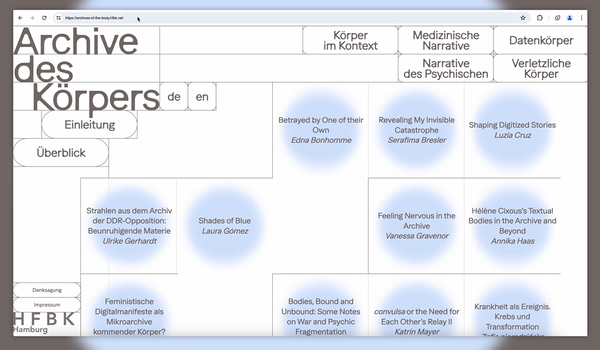
 Archives of the Body - The Body in Archiving
 New partnership with the School of Arts at the University of Haifa
 Annual Exhibition 2024 at the HFBK Hamburg
 (Ex)Changes of / in Art
 Extended Libraries
 And Still I Rise
 Let's talk about language
 Graduate Show 2023: Unfinished Business
 Let`s work together
 Annual Exhibition 2023 at HFBK Hamburg
 Symposium: Controversy over documenta fifteen
 Festival and Symposium: Non-Knowledge, Laughter and the Moving Image
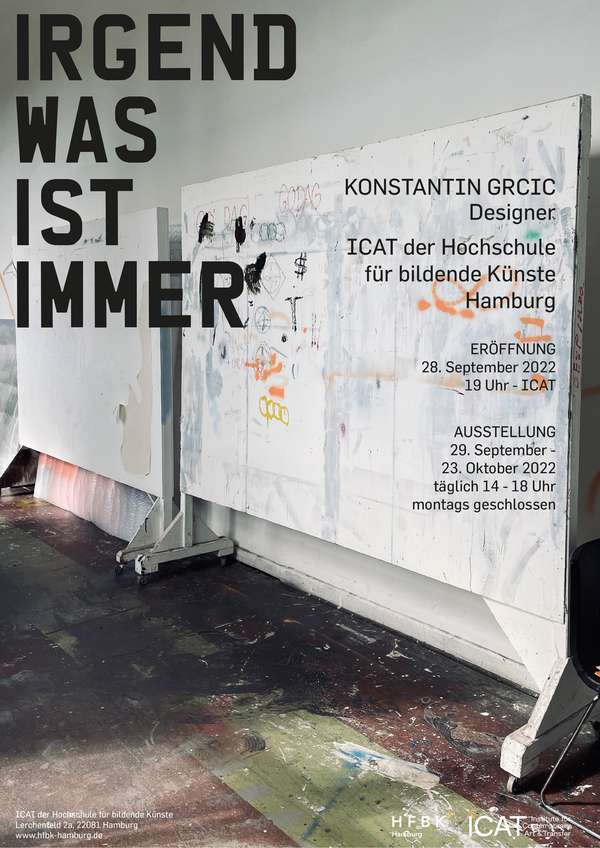
 Solo exhibition by Konstantin Grcic
 Art and war
 Graduate Show 2022: We’ve Only Just Begun
 June is full of art and theory
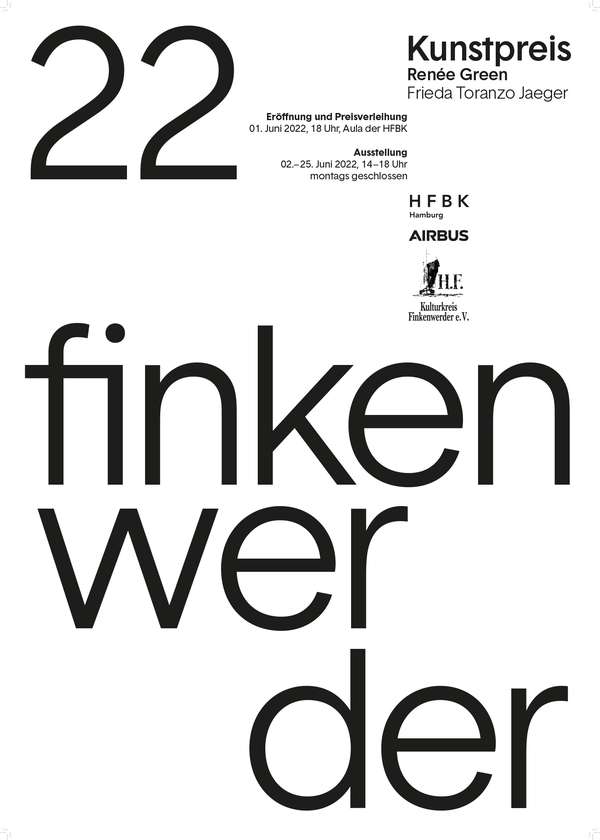
 Finkenwerder Art Prize 2022
 Nachhaltigkeit im Kontext von Kunst und Kunsthochschule
 Raum für die Kunst
 Annual Exhibition 2022 at the HFBK
 Conference: Counter-Monuments and Para-Monuments.
 Diversity
 Live und in Farbe: die ASA Open Studios im Juni 2021
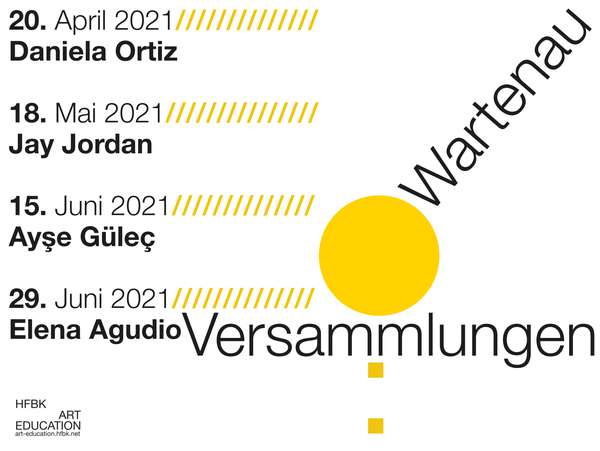
 Unlearning: Wartenau Assemblies
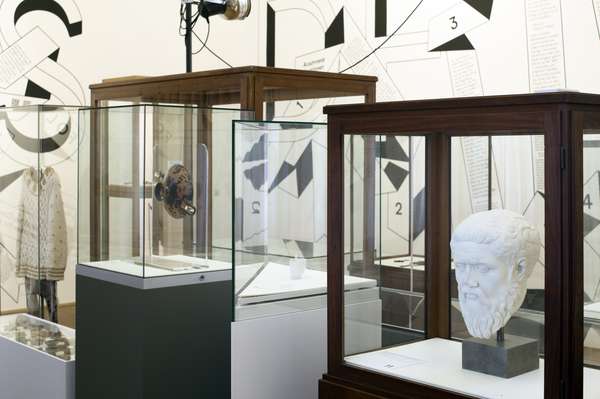
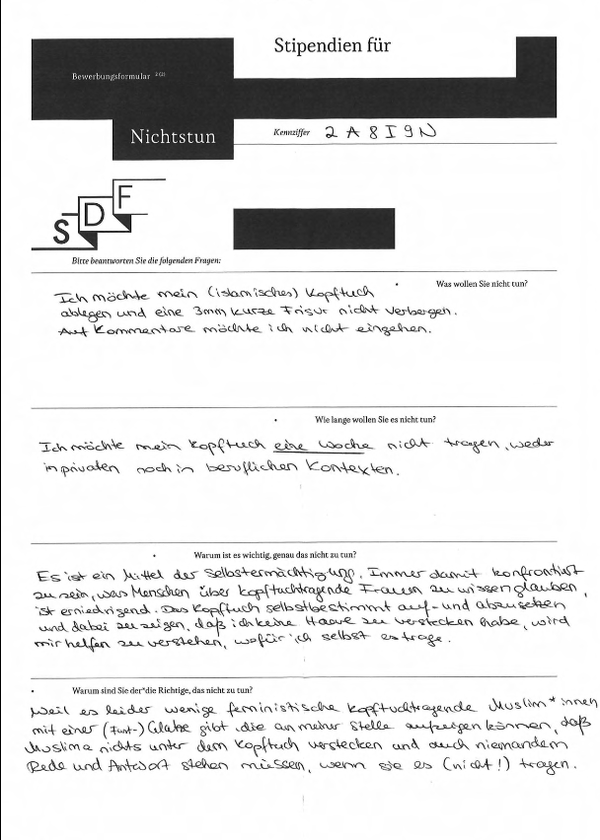
 School of No Consequences
 Annual Exhibition 2021 at the HFBK
 Semestereröffnung und Hiscox-Preisverleihung 2020
 Teaching Art Online at the HFBK
 HFBK Graduate Survey
 How political is Social Design?