This website uses cookies to display external content and to collect anonymous statistics on usage behavior.
+ – Exil
Friday 4 Sep 2026
Eröffnung
6:00 pm
Silke van Dyk, Folke Köbberling, Atelier LeBalto, Loraine Leeson, Katja Lonzeck, Sasha Perera, Tilman Walther, Sabine Zahn, Daniela Zyman
Language: German/English
Free admission
Design has a social impact. It shapes and transforms the world in which we live. The social and ecological consequences of this far-reaching practice manifest themselves today as a crisis of democracy and an environmental catastrophe. This dramatic convergence demands that we understand reality not merely as the external environment that surrounds us, but as a network of people, organisms, policies, and objects in which we are embedded.
What would a relational understanding of the “Mitwelt” look like, one in which ecological responsibility is inseparably linked to social justice? How can creative practice gently participate in these co-worldly relationships and take a partisan stance within them?
Together with guests from the fields of art, sociology, design, architecture, performance, activism, and theory, we will discuss possibilities for eco-social practice to explore, endure, and transform our present as a “co-world.”
Participants: Silke van Dyk (Jena), Folke Köbberling (Braunschweig), Atelier LeBalto (Berlin), Loraine Leeson (London), Katja Lonzeck (Hamburg), Sasha Perera (Berlin / London), Tilman Walther (Hamburg), Sabine Zahn (Berlin), Daniela Zyman (Vienna)
Organized by Friedrich von Borries, Johanna Dehio, Anne Femmer, Jesko Fezer, and Anne Duk Hee Jordan.
As part of the symposium, the workshop “Körperliche Raumproduktion” will take place.
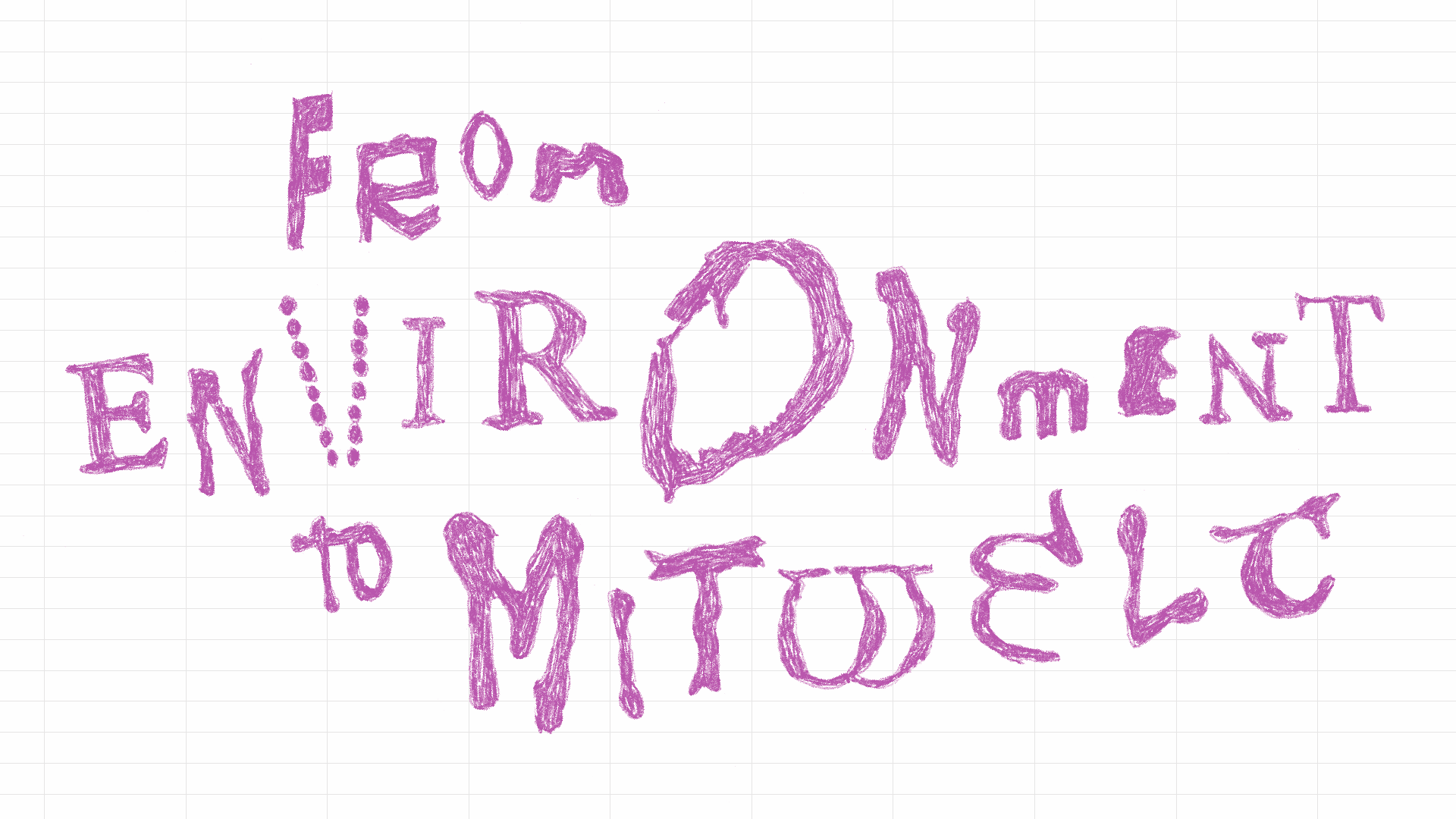
Graphic: Marcel Louis, Class Ingo Offermanns
The program consists of five interrelated sections:
MhVkTwadWELTe (or: Sometimes talks don’t have titles, but aim to explain the WORLD)
Talk by Friedrich von Borries
World, Environment, Shared World. Big words. How can one reflect on them if one practices design theory rather than philosophy? What is this discipline’s specific approach? And what does “world” have to do with distinguishing the “global” from the “planetary”? Drawing on his books “Designing the World: A Political Theory of Design” and “Architecture in the Anthropocene: A Speculative Archaeology”—and a new research project with the working title “Holy Shit”—Friedrich von Borries reflects aloud on the limits and possibilities of design, design history, and design theory in the face of global transformation processes.
Making Contact—“Practicing Beginnings”
Workshop and Performative Situation by Johanna Dehio, Sabine Zahn, and Tilman Walther
Building on the work done during the foundational year at the HFBK, design is understood as an open, exploratory process that emerges from observation, experimentation, and exchange. The focus is on the conditions of beginning: How do we make contact with one another? How do trust, a shared capacity for action, and responsibility arise? How does an open process become a practice—and how does it position itself within social and ecological contexts? What do we need to learn or unlearn, and how can we act for ourselves rather than reproduce established positions? Together with Sabine Zahn and Tilman Walther, this presentation explores environmental design as a relational practice between the body, space, and the public sphere. The symposium becomes a shared space of experience: thinking is understood not as a purely linguistic process, but as a spatial and physical practice. Participants are active contributors; shared guiding questions connect guests and the audience in the process of thinking.
From the Inside Out
Talk and Debate with Anne Femmer, Folke Köbberling, and Atelier LeBalto
The past century has made us masters of detached design: The separation of (intellectual-creative) thinking and (physical-material) action made design plannable, delegable, and monetarily “tradable.” This concept of abstraction is now reaching its limits. Not least, New Materialism has challenged the notion of a passive and arbitrarily malleable world and directed our attention to the diverse interconnections between people, materials, and environments. Today, “predictability” confronts an increasingly fragmented, broken, and repair-needy world that can hardly be grasped—let alone shaped—from a distance.
To remain capable of taking action, designers such as Folke Köbberling and atelier le balto repeatedly step beyond the boundaries of their profession and intervene in “realities” through practical, hands-on action. Together, we will discuss the potential of designing from the inside out: from the closest possible proximity to material flows, tools, and practices of transformation.
How to Postpone the End of the World (working title)
Sound Intervention and Discussion with Anne Duk Hee Jordan, Sasha Perera, and Daniela Zyman
Drawing on the ideas of Ailton Krenak, this event brings together perspectives from art, curatorial practice, and sound. Krenak is an Indigenous thinker, writer, environmental activist, and an important political voice in Brazil. He belongs to the Krenak people, who live in the Rio Doce region—a river that has been poisoned by one of Brazil’s worst environmental disasters. In his books, he critiques the notion that humans stand outside or above nature. Instead, he views rivers, mountains, animals, and plants as living kin and as part of a shared world. Together with Daniela Zyman and Sasha Perera, we explore how our understanding of the environment can shift toward a “shared world”—a world in which humans, animals, plants, microorganisms, and technologies live in mutual interdependence. Through conversation, sound, and shared reflection, we will explore alternative forms of coexistence, listening as a practice, and how art can open up new relationships with the living world.
The Politics of Community Design
Statements and Discussion with Jesko Fezer, Silke van Dyk, and Loraine Leeson
Of course, the environment is always (and perhaps above all) a social context. What connects and divides us are direct and mediated social practices, as well as materialized, subjectivized, and institutionalized social arrangements. The way these are shaped distributes opportunities and exclusions, abundance and scarcity, power and powerlessness. A critical and practical engagement with these powerful interrelationships requires new approaches to the social context of design: actors other than the usual ones must become partners in design processes. But are local communities suitable starting points for creatively addressing social reality? How can we join forces with those who have already begun to take action against these conditions? Together with community art pioneer Loraine Leeson and sociologist Silke van Dyk, we will discuss what an emancipatory relationship between design and local neighborhoods might look like—and what pitfalls neoliberal politics has set in its path.
The current opening hours of the library can be found here.
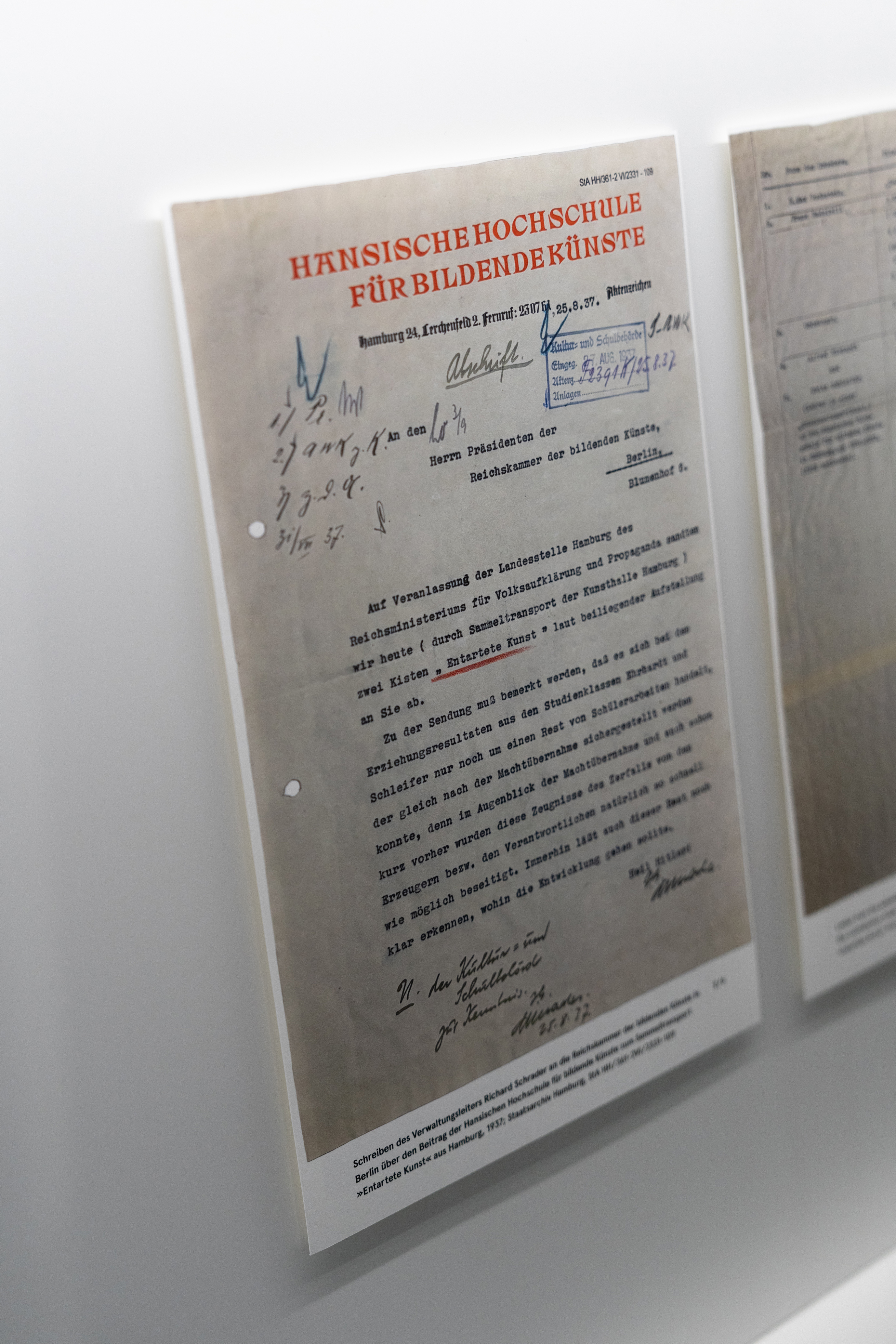
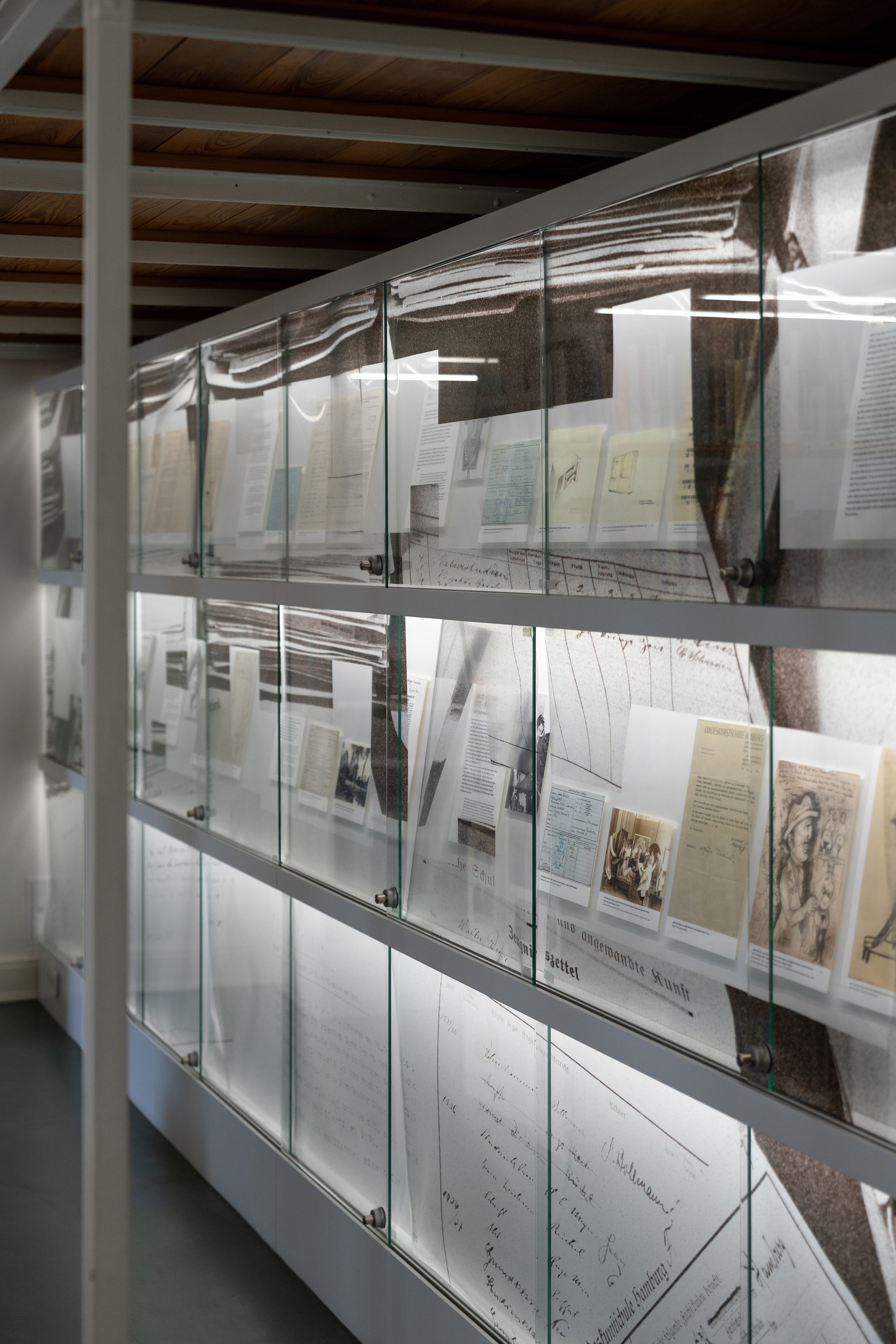
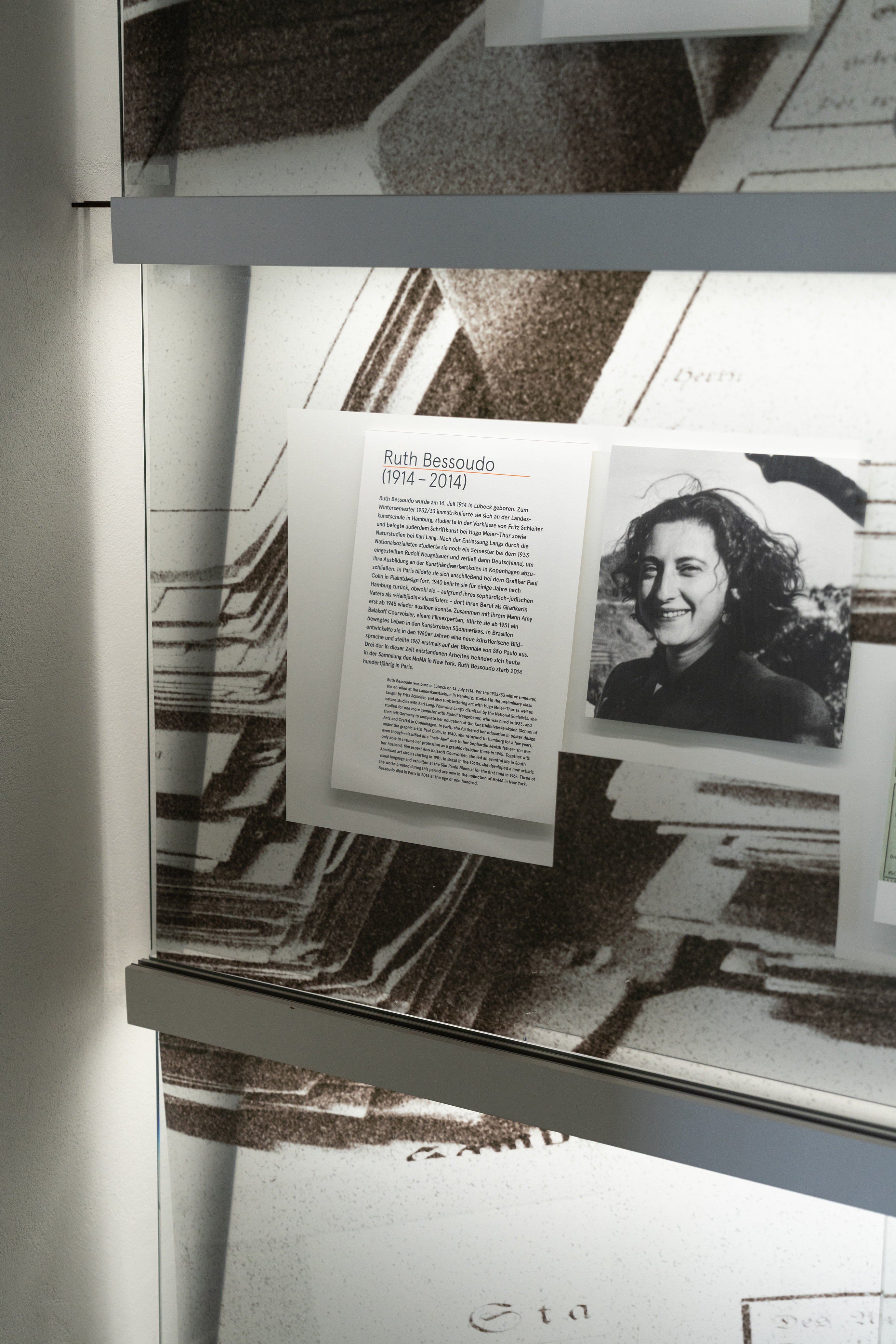
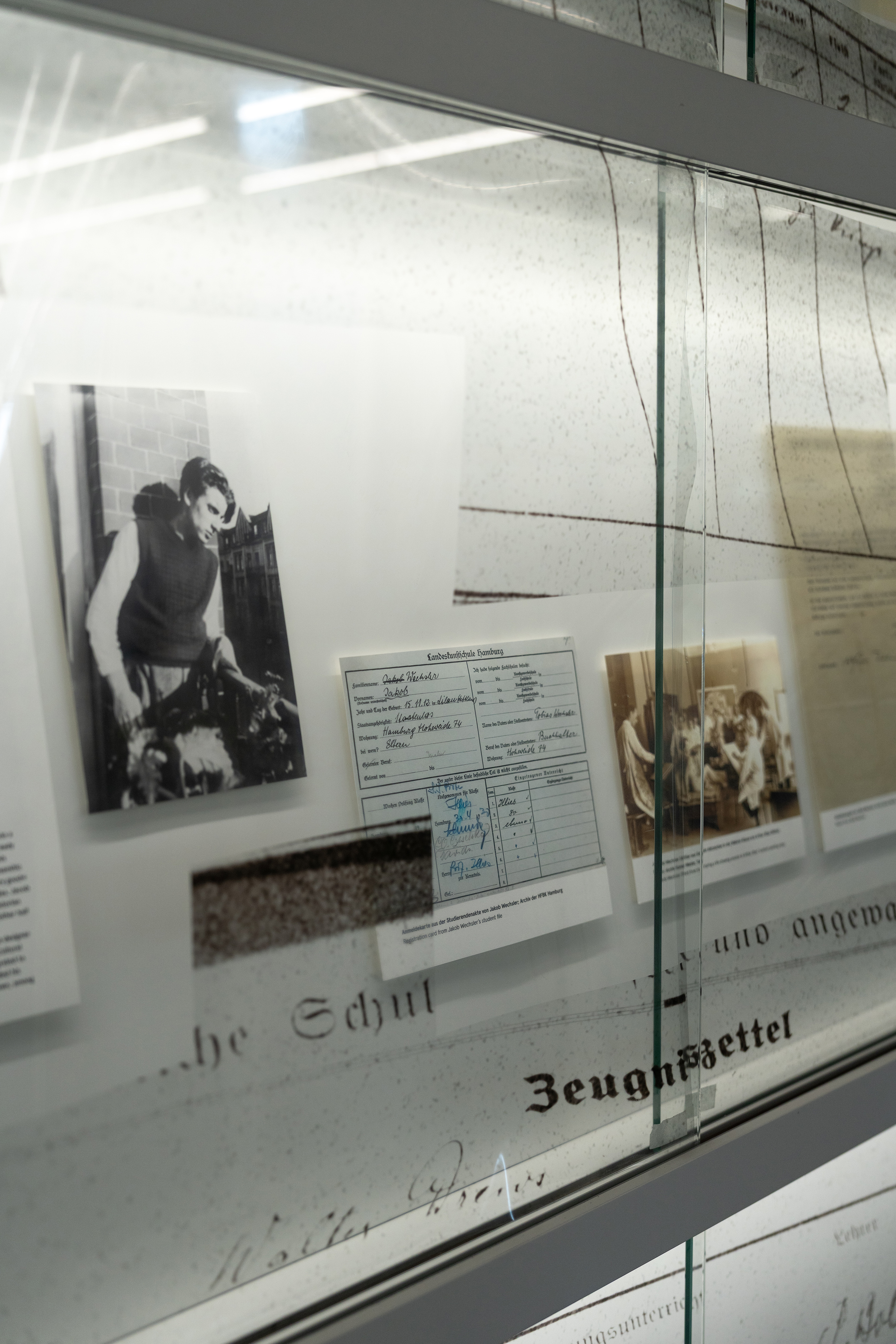
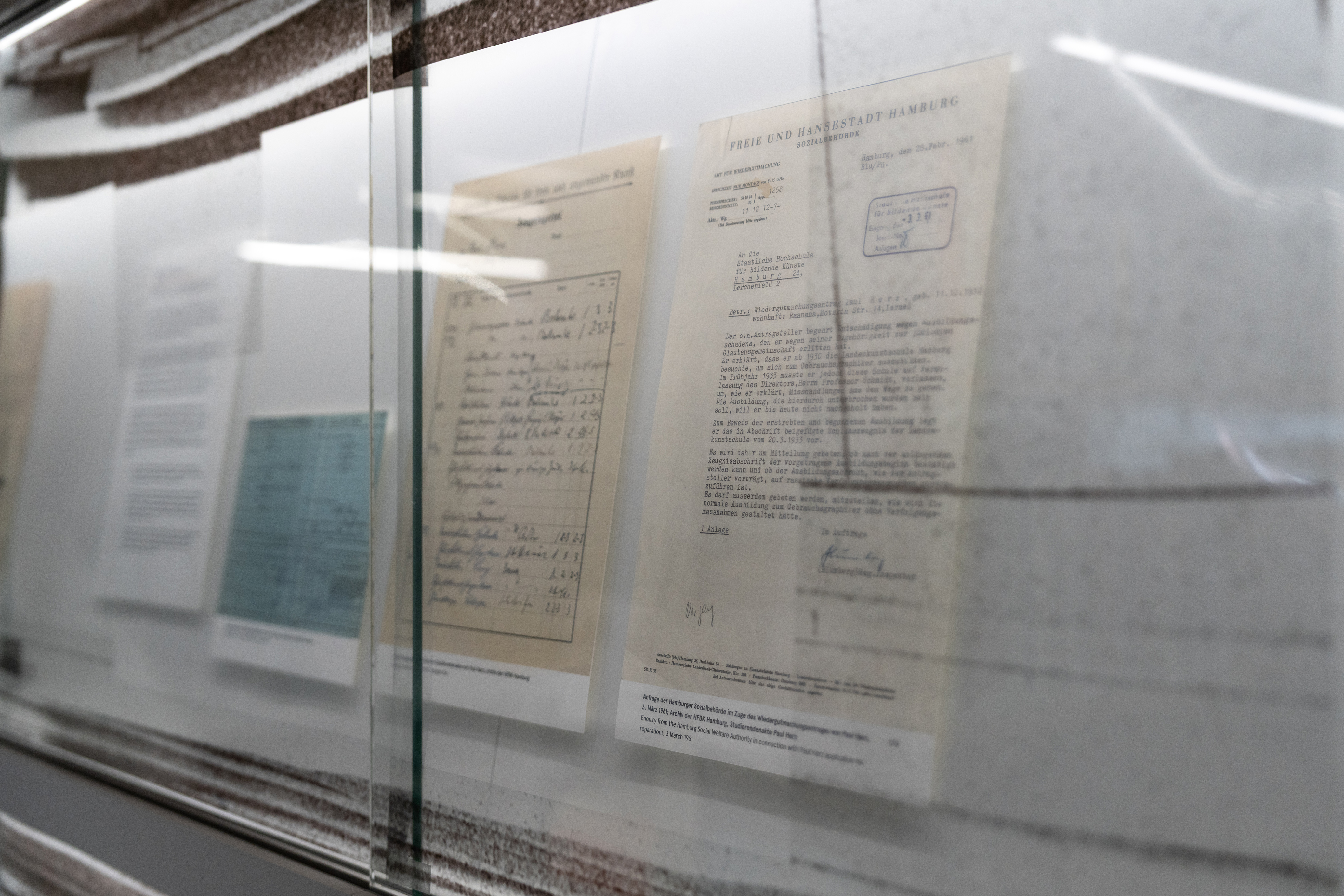
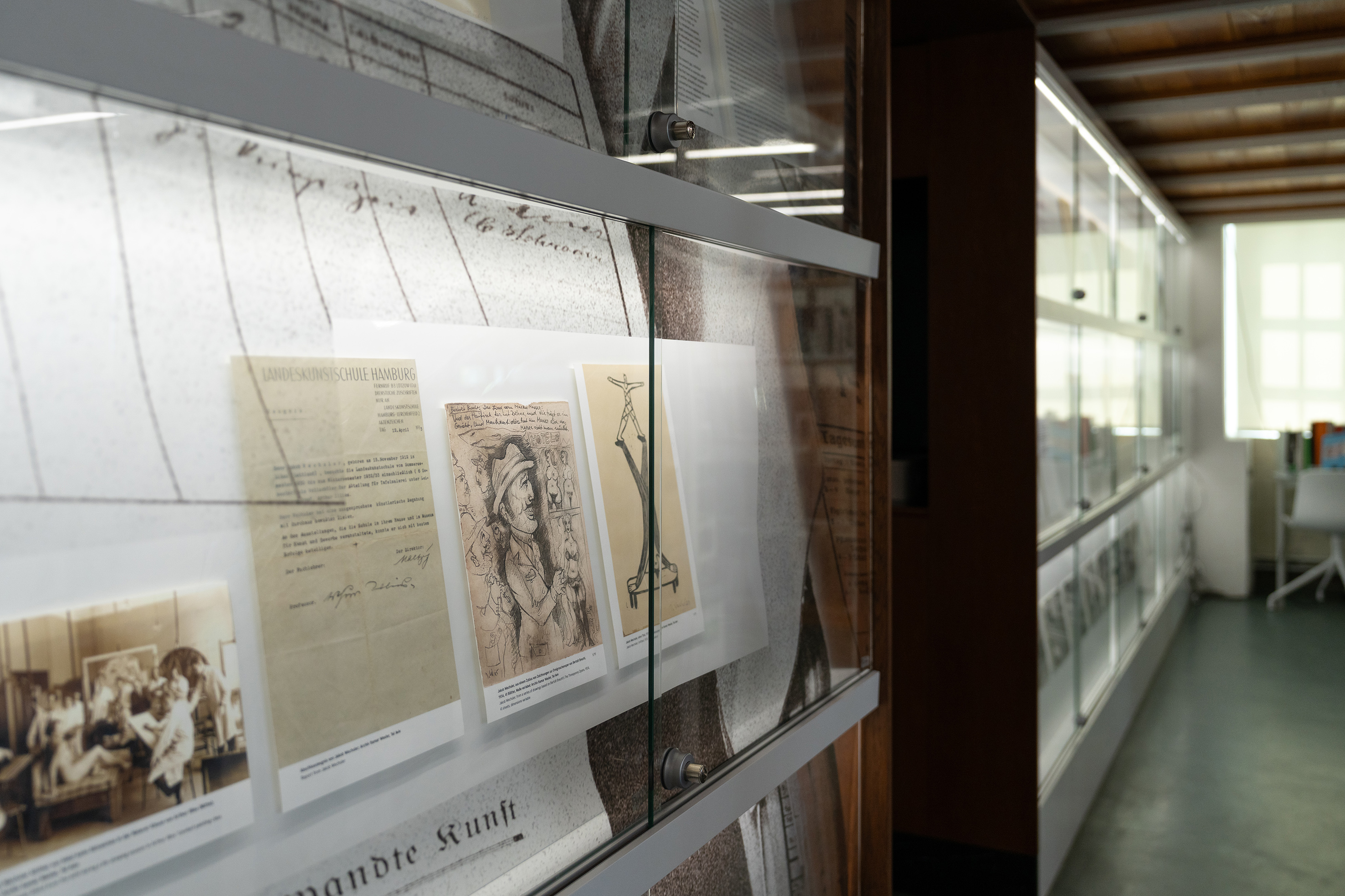
The exhibition of archival materials in the display cases of the HFBK Library opened on 25 June 2026. It accompanies the launch of Dr Alina Just’s newly published study Gestaltung und Gleichschritt. Die Geschichte der Hochschule für bildende Künste Hamburg im Nationalsozialismus (Forum Zeitgeschichte, Band 34, Metropol Verlag, Berlin, 2026) and offers a glimpse into the holdings of the university archives. With its focus on students, the exhibition aims both to emphasize this perspective and to highlight open research questions.
To demonstrate the potential of addressing this research gap, individual students affected by exclusion and persecution are presented as examples within this presentation. These are discoveries that have emerged unsystematically from research conducted in the university archive, primarily by external researchers. The reason for this lies in the historically evolved structure of the HFBK university archive: the student files are sorted in purely alphabetical order from 1905 to 1945—an extensive body of source material that has, in its entirety, remained completely unexplored to this day.
Through the seven case studies presented here—individuals whose life paths were severely impacted or even cut short by university expulsion, displacement, and deportation—the presentation aims to adopt the perspective of those who play a decisive role in shaping the essence of an art academy to this day: the students.
Concept: Sabine Boshamer, Marlene Kirsten, Julia Mummenhoff
Exhibition design and Reproductions: Tim Albrecht
Thank to: Dietrich Banse and Geschichtswerkstatt Uelzen, Peter Degkwitz, Corry Guttstadt, Alina Laura Just, Alisa Navot (Israel), Felix-Nussbaum-Gesellschaft (Osnabrück), Nora Sternfeld, Itamar Wexler (Tel Aviv), Ingo Wille.
With a guest lecture in English and the introduction of the new professors.
For all information regarding the start of the semester, please contact our new HFBK hotline: +49 (0)40 238582-119*
*The cost of this call to a German landline is subject to your phone provider’s rates.
Vasyl Cherepanyn
Curating for the Coming Visual Politics
Vasyl Cherepanyn is the curator of the 14th Berlin Biennale for Contemporary Art, which will open in June 2027. He is the co-founder and head of the Visual Culture Research Center (VCRC), a platform for collaboration among academic, artistic, and activist communities. VCRC organizes the Kyiv Biennial and is a founding member of the East Europe Biennial Alliance (EEBA). In addition to his curatorial work, he has lectured at several universities across Europe. He holds a PhD in philosophy and is also a writer and editor.
Anja Dietmann, Nschotschi Haslinger, Gesa Troch
Performance by Anja Dietmann, Nschotschi Haslinger, Gesa Troch + Special Guest: Philipp Joy Reinhardt as Night Watch
Karla Krey
Ausstellung und Workshop am 2.10., 19 Uhr und 3.10., 13 Uhr
Um Anmeldung wird gebeten: artworld@noroomgallery.com
6:00 pm
Sina Eichhorst, Matthias Kolle, Sia Lee, Marieke Pankow, Seoryoung Park, Anna Satu, Luis Zapfe
Registration required; see the link for more information.
7:00 pm
Stanton Cornish-Ward, Trent Crawford a.o.
Robert Bramkamp, Thomas Demand, Bogomir Ecker, Pia Stadtbäumer a.o.
3:00 pm
Dongchan Kim
11:00 am
Im Rahmen des we present festival
Regie, visuelle Gestaltung, Bühne: Hannah Nuñez Arnim
Im Rahmen des we present festival
8:00 pm
Omid Arabbay, Anastasiia Batishcheva, Bjørg Elttør, Jonas Fischer, Hannah Francke, Tatjana Hub, Krina Königsmann, Maximilian Koppernock, Ann-Sophie Krüger, Zoe Popp, Igor Vrdoljak, Mimi Shudi Yan
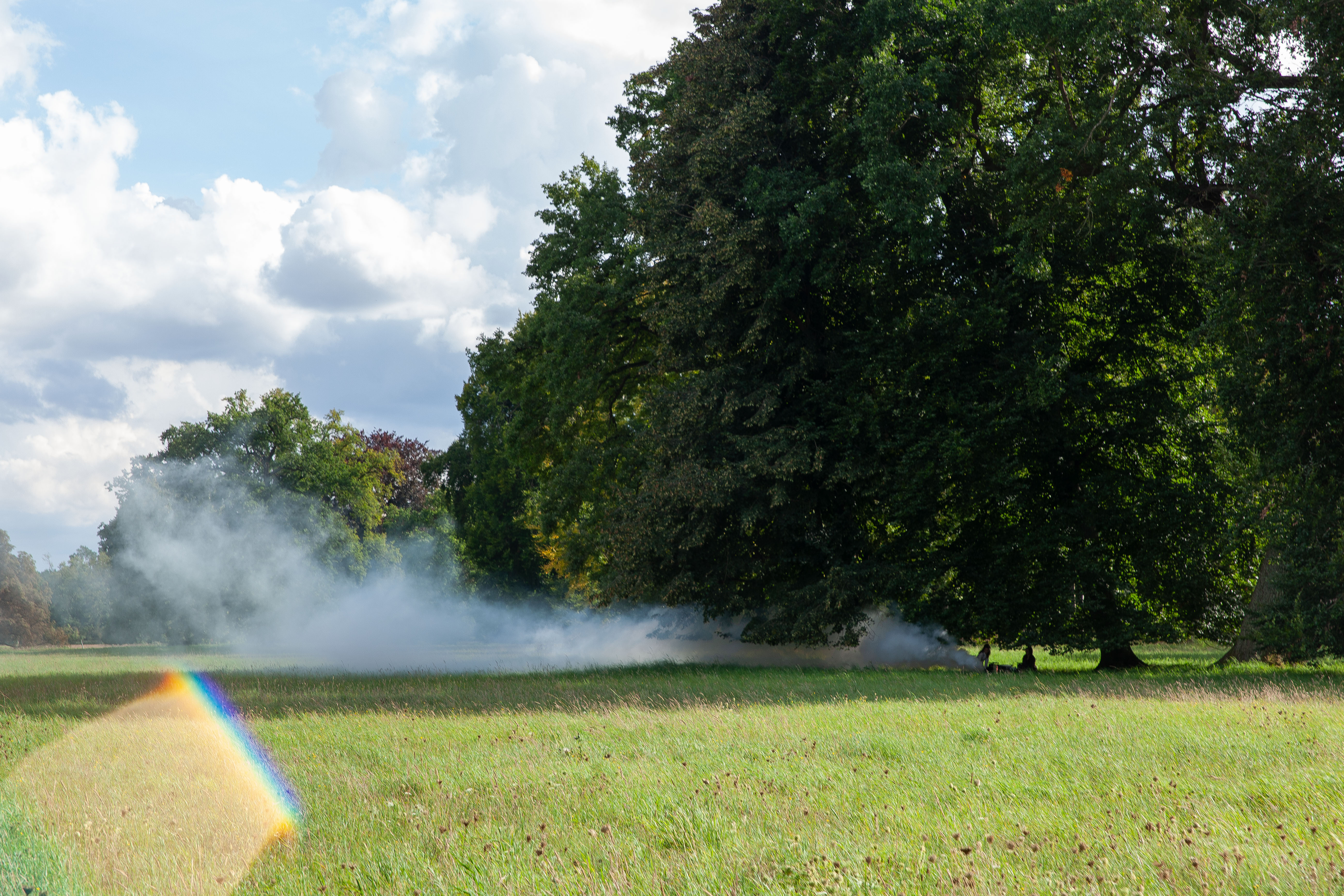
Climate change is one of the most urgent and existential crises of our times. It is no longer a dystopian vision of the future but a very present phenomenon. In actual fact, more than just the temperature is undergoing a change – the political and social climate is also changing noticeably, in Germany and also internationally.
Can art, which often recognises seismographic changes, make change visible? In the summer of 2024, students from HFBK Hamburg, the Academy of Fine Arts Leipzig and the Academy of Fine Arts Munich came together in Neuhardenberg to explore the opportunities for art in times of climate change during a photography summer workshop. The accompanying exhibition was held at Neuhardenberg Castle in the summer of 2025.
Can forests be archived before they are destroyed? How is the soil condition related to climate change? How do we deal with invasive species? What is alien to us? What is familiar? The students addressed these and other questions for an entire year. In the exhibition at the ICAT at the HFBK Hamburg, which features works that have been partially updated, they attempt to find answers by artistic means.
under the supervision of Prof. Armin Linke, Prof. Heidi Specker, Prof. Tobias Zielony and Prof. Thomas Weski
Opening times: Daily from 2 to 6 pm, except Mondays
Special opening times during Hamburg Art Week: 4–6 September 2026, 11 am–8 pm
6:00 pm
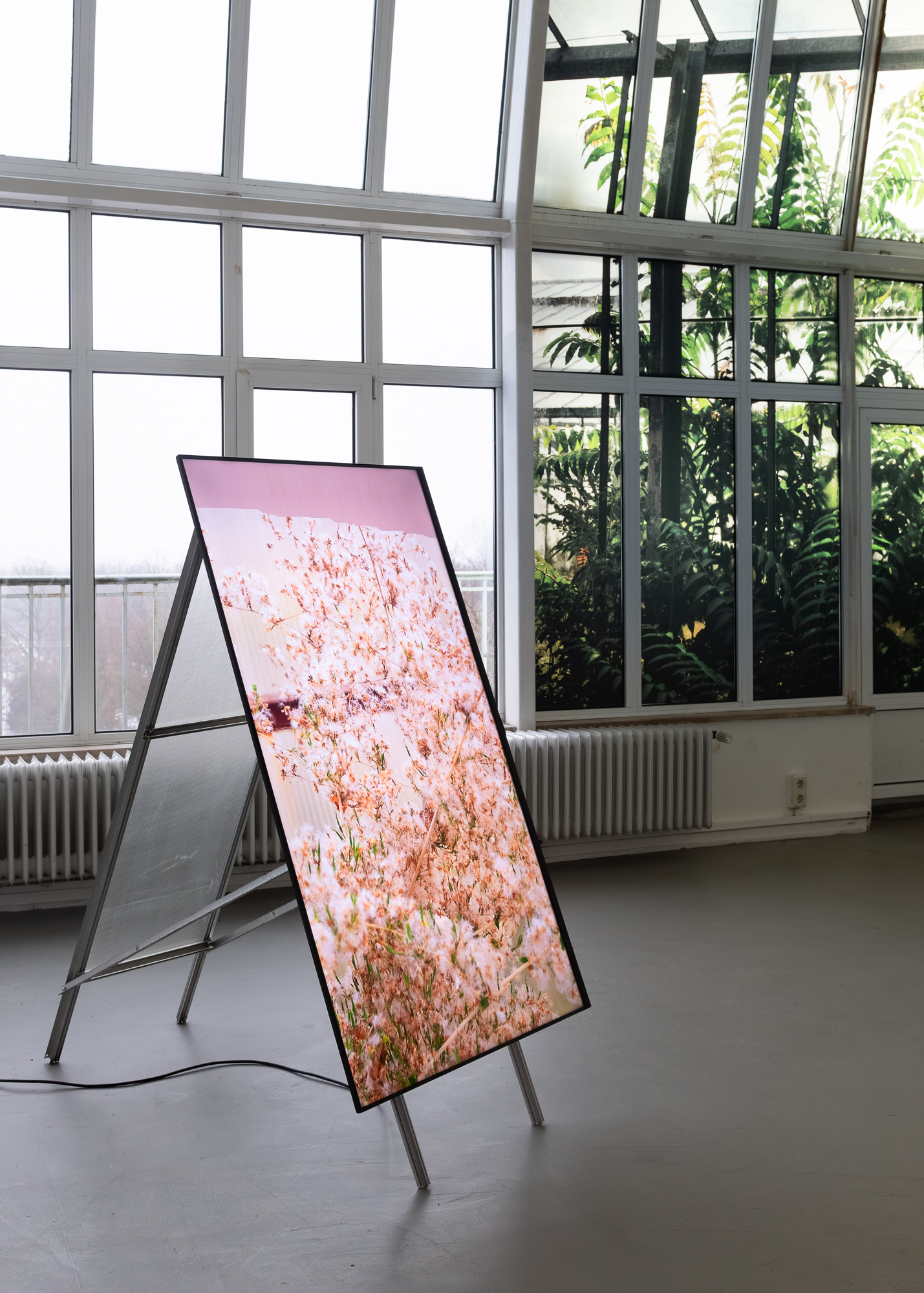
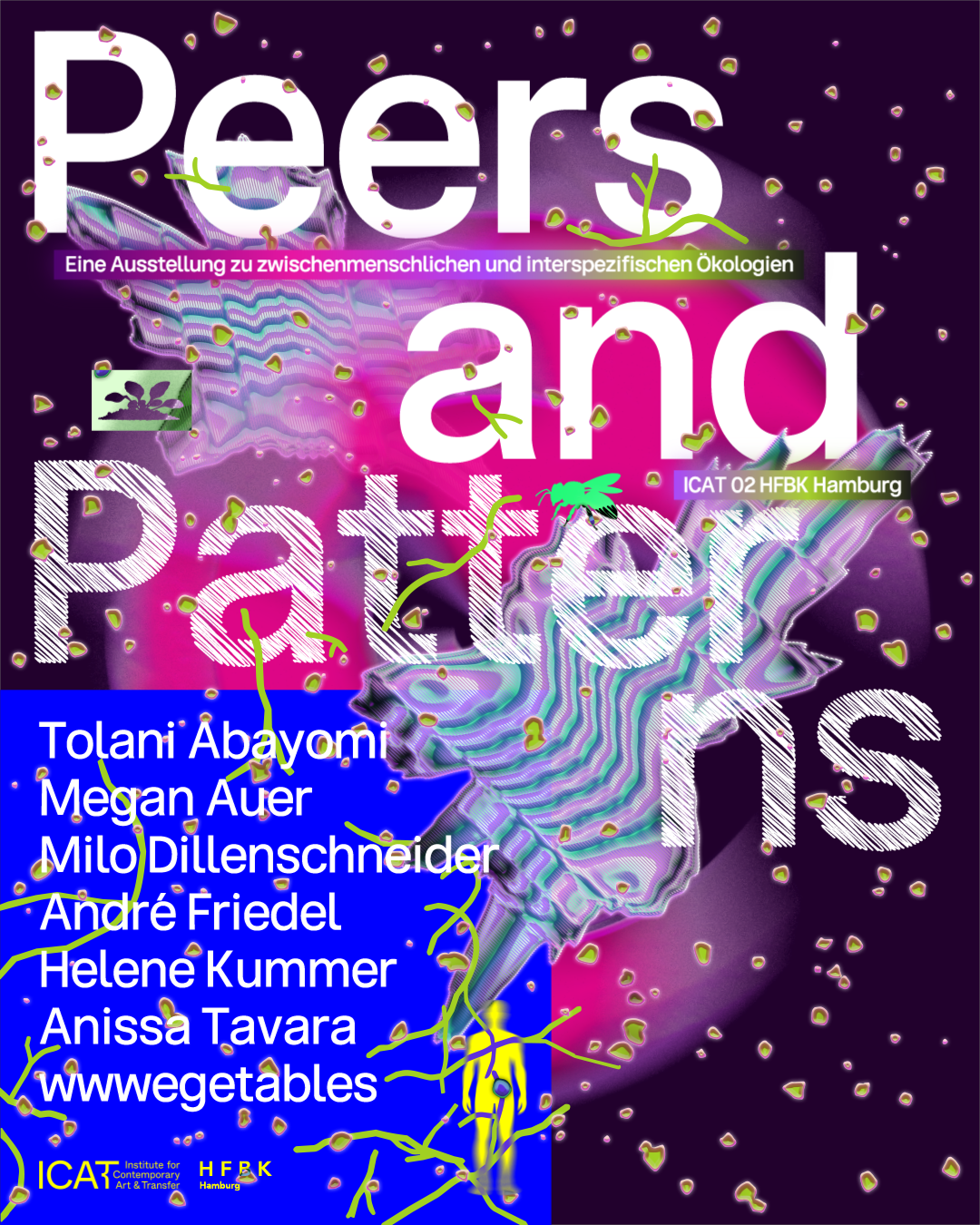
Tolani Abayomi, Megan Auer, Milo Dillenschneider, André Carsten Friedel, Helene Kummer, Anissa Tavara, wwwegetables (Morgan Mansour & Veronika Pluzhnikova)
An exhibition on interpersonal and interspecific ecologies
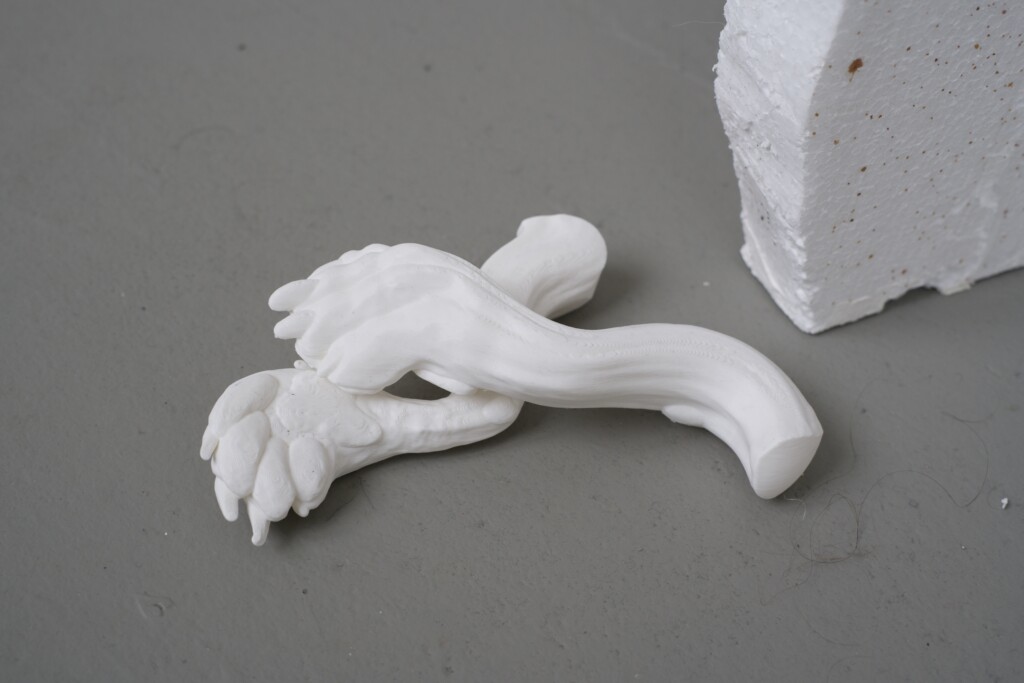
Ecosystems typically describe the interaction between organisms and their environment. The dynamics of these relationships are in a state of constant flux, repetition, and negotiation. The relationship between humans and nature has long served as a motif for artistic exploration and is continually being redefined. The exhibition at ICAT aims to explore both interspecies and interpersonal relationships and to present ecosystems as symbols of interconnected networks of coexistence. Botanical imagery and human-animal constellations, in particular, prove to be rich metaphors for encounters, kinships, and collaborations. Likewise, all other forms of living beings (or “creatures,” cf. Haraway) are part of these relationships and structures.
The science theorist Donna Haraway explores the coexistence of species in depth and writes: “Creatures—human and nonhuman—become one with one another, composing and decomposing one another, across all scales and registers of temporality and materiality; in sympoietic entanglements, in ecological, evolutionary, and developmental earthly secularizations and desecularizations.”
Seven students at the HFBK Hamburg are exploring different areas within the branching network of interpersonal and interspecific ecologies and are finding various aesthetic expressions in the form of installation, sculpture, culinary art, graphic design, and film. The exhibition space adapts the idea of a system that is constantly in motion and changing, and, through the use of magenta-colored light, evokes the atmosphere of a greenhouse.
Curated by Anne Meerpohl
Opening times: Daily from 2 to 6 pm, except Mondays
Special opening times during Hamburg Art Week: 4–6 September 2026, 11 am–8 pm
6:00 pm
Performance by Milo Dillenschneider
Anik Lazar
Sound Performance
19th + 20th September, 5–8 P.M.
5:00 pm
Helena Wittmann, Anna Lena Grau, Vanessa Gravenor, Eda Aslan, Dörte Habighorst & Sophia Leitenmayer a.o.
7:00 pm
Vanessa Gravenor, Dörte Habighorst & Sophia Leitenmayer a.o.
Anna Lena Grau, Helena Wittmann, Eda Aslan, Vanessa Gravenor, Dörte Habighorst & Sophia Leitenmayer a.o.
Jasmin Werner
7:00 pm